Judge a keyboard by the work you repeat
A keyboard is a tool for repeated movements.
A keyboard is a tool for repeated movements. Judge it with the work you actually do rather than a few impressive seconds of random typing.
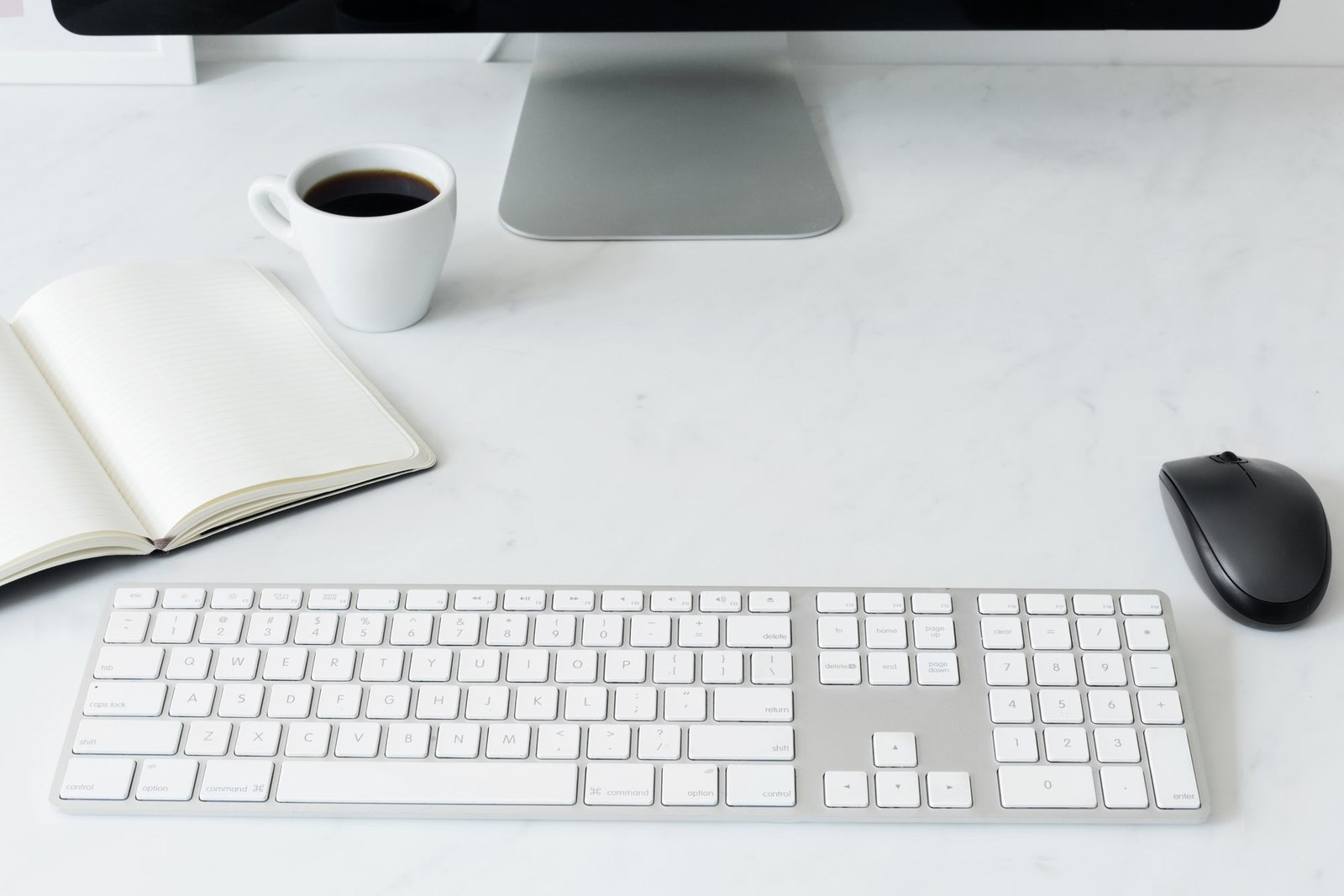
List the keys and shortcuts your tasks use most often. A smaller layout may move a key into a function layer or remove a number pad you rely on. Check the exact regional layout and compatibility with your device. A familiar product name can cover several different arrangements.
Try ordinary work
Type a paragraph, correct an error, enter numbers and use the navigation keys. Notice whether you can find important controls without looking. Check the sound in the environment where you will use it, particularly in shared rooms. Avoid drawing health conclusions from a short trial; individual needs may require specialist advice.
Consider connection and charging arrangements. A wireless keyboard that works well at a desk may need a cable or fresh batteries at an inconvenient time. Check how you will reconnect it after a device change and whether the required software is supported.
Use the seller's return policy as written rather than assuming an opened keyboard can be returned. The useful comparison includes layout, repeated tasks and practical support. Appearance and switch descriptions can guide a shortlist, but the final choice should make the actions you repeat easier to perform.